

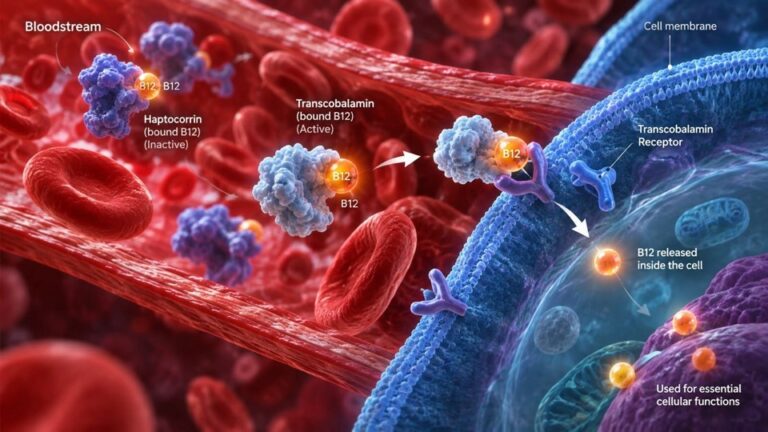
A Smarter Approach to Vitamin B12: Why the “Active B12” Test Matters
Medical Disclaimer: The information provided in this article is for educational and informational purposes only and is not intended as…

Many of us view a night of drinking as a harmless way to unwind, but medical experts warn that alcohol does far more than just cause a temporary upset stomach.
From the very first sip, alcohol acts as a direct irritant to the delicate tissues of your digestive tract. Even moderate drinking triggers the stomach to produce much more acid than it normally needs, which frequently leads to an inflamed stomach lining, a painful medical condition known as gastritis.
In the short term, this acid buildup causes standard symptoms like abdominal pain, nausea, vomiting, and diarrhea. However, for heavy drinkers, the constant irritation can wear the lining down so severely that it starts to bleed. Public health specialists note that if you stay strictly within low-risk drinking limits, your digestive system can usually recover without lasting harm. Unfortunately, the reality is a growing culture of binge drinking, which escalates these risks dramatically.
The long-term consequences of regular, heavy drinking on the digestive system are exceptionally severe. Over time, chronic alcohol use is strongly linked to an increased risk of developing deadly cancers, particularly of the mouth, throat, stomach, pancreas, and colon.
It also creates a constant state of acid reflux, where stomach acid flows backward and burns the throat, alongside a high risk of painful peptic ulcers, which are open sores in the stomach lining.
Medical experts also point out that severe intoxication leads to terrifying immediate dangers during vomiting. If a person is close to passing out and vomits, he loses the reflex to cough it up, meaning he can accidentally breathe the vomit into the lungs, which can be fatal.
Additionally, the sheer physical force of violent vomiting can tear the lining of the throat, causing a person to throw up blood.
While minor tears sometimes heal on their own, severe cases cause life-threatening internal bleeding that requires emergency medical attention.

Beyond these emergency scenarios, alcohol quietly sabotages your body’s ability to process everyday food. It damages the pancreas, drastically cutting down the production of vital digestive enzymes that your body relies on to break down fats and carbohydrates. This means that even if you are eating a healthy diet, the alcohol prevents you from absorbing essential nutrients, leaving many chronic drinkers secretly malnourished.
It is also a massive trigger for Irritable Bowel Syndrome, causing unpredictable bouts of bloating, cramping, and pain.
Furthermore, with the rising awareness of wheat and gluten sensitivities among modern consumers, it is crucial to remember that traditional beers, lagers, and ales are heavily brewed with wheat and barley. Drinking them can trigger severe digestive distress for anyone with an existing intolerance.
Fortunately, there are practical steps you can take to protect your gut if you do choose to drink. The most effective shield is simply keeping your intake low and spacing out your drinks.
There are many popular myths about avoiding hangovers and stomach aches, such as the old belief that mixing different types of alcohol makes you sicker. While mixing drinks doesn’t inherently cause more chemical damage to your stomach, it does make it incredibly difficult to track how much you have consumed, meaning you end up drinking far more, getting drunker, and ultimately vomiting.
When it comes to managing the morning-after pain, the choice of medication is critical. Reaching for common painkillers like aspirin or ibuprofen can be a disaster for your gut, as these specific drugs aggressively attack and further damage an already inflamed stomach lining. Medical professionals advise that paracetamol is generally a much safer bet for a headache, while a standard antacid or a warm cup of mint tea is far better for soothing a burning stomach.
Finally, never drink on an empty stomach. Eating a heavy, carbohydrate-rich meal before your first drink creates a physical buffer, significantly slowing down the speed at which your body absorbs the alcohol. As part of a holistic healing approach, this simple habit can help support your body’s natural ability to process alcohol more effectively.
Alternating every alcoholic drink with a glass of water or a soft drink will also naturally pace you, helping you drink much less overall and sparing your stomach from a toxic acid overload.
References:
Medical Disclaimer: The information provided in this article is for educational and informational purposes only and is not intended as…
Every time we flex a muscle, take a breath, or blink an eye, our body spends a tiny packet of…
Managing chronic kidney disease through nutrition relies on balancing essential nutrients while minimising the workload on failing kidneys. Damaged kidneys…
