

A Smarter Approach to Vitamin B12: Why the “Active B12” Test Matters
Medical Disclaimer: The information provided in this article is for educational and informational purposes only and is not intended as…
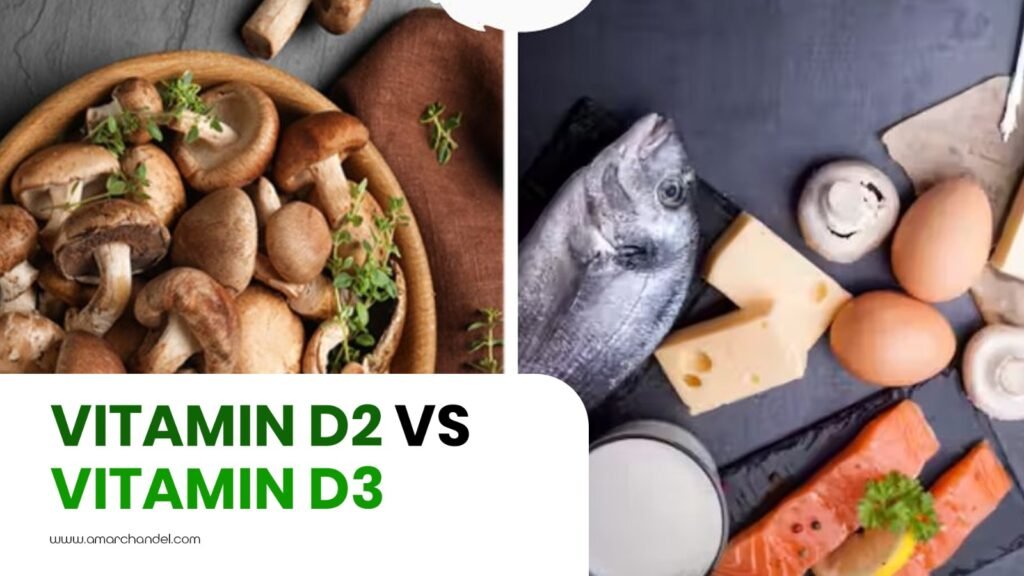
Vitamin D is often called the “sunshine vitamin”, because our bodies make it when skin is exposed to sunlight. Yet despite India being a sunny country, vitamin D deficiency is surprisingly common. Studies estimate that 70–90% of Indians may have low vitamin D levels, especially in urban areas where people spend much of their time indoors (Indian Council of Medical Research; Ritu & Gupta, 2014). This widespread deficiency has led to increasing interest in vitamin D supplements and fortified foods.
Vitamin D plays an important role in bone health, immunity, muscle function, and overall well-being. Without enough vitamin D, the body cannot absorb calcium properly, which can lead to weak bones and conditions such as osteoporosis. In children, severe deficiency can cause rickets.
When it comes to supplements and foods, vitamin D comes mainly in two forms: vitamin D2 and vitamin D3. Understanding the difference between them has become an important question in nutrition science.
Vitamin D3 (cholecalciferol) is the form produced in human skin when exposed to sunlight. It is also found in some animal foods such as fish and egg yolks, and it is commonly used in vitamin supplements. Many vitamin D3 supplements are traditionally made from lanolin extracted from sheep’s wool, though plant-based D3 derived from lichen is now available.
Vitamin D2 (ergocalciferol), on the other hand, is produced by fungi and yeast, including mushrooms. Interestingly, mushrooms can produce vitamin D when exposed to ultraviolet light, much like human skin. If mushrooms are exposed to sunlight or UV lamps after harvesting, their vitamin D levels can increase significantly.
Research has shown that mushrooms exposed to UV light can become a meaningful dietary source of vitamin D2. In one randomised controlled trial, people with low vitamin D levels were given either UV-exposed mushrooms, vitamin D supplements, or a placebo. Both the mushrooms and the supplements increased blood vitamin D levels significantly compared with the placebo (Keegan et al., 2013). This finding suggests that sun-exposed mushrooms could help improve vitamin D status, especially for people following vegetarian or vegan diets.

This may be particularly relevant in India, where a large proportion of the population follows vegetarian diets for cultural or religious reasons. Since many plant foods contain little or no vitamin D, fortified foods or sun-exposed mushrooms may offer an additional source.
But an important question remains: Is vitamin D3 better than vitamin D2?
Earlier research suggested that both forms could raise vitamin D levels in the body. For example, some studies found that daily doses of vitamin D2 and vitamin D3 produced similar improvements in blood vitamin D levels when taken regularly in moderate amounts (Holick et al., 2008).
However, newer studies and reviews suggest there may be some differences between the two forms. Several controlled trials have found that vitamin D3 tends to raise and maintain blood vitamin D levels more effectively than vitamin D2, especially when taken in larger or less frequent doses (Tripkovic et al., 2012).
One reason may be that vitamin D3 stays in the bloodstream longer than vitamin D2, allowing it to maintain higher levels over time. Because of this, many doctors now prefer vitamin D3 supplements for treating deficiency.
Another area researchers have studied is whether vitamin D supplements help people live longer or reduce disease risk. A large analysis by the Cochrane Collaboration, which reviews medical evidence, found that vitamin D3 supplementation was associated with a small reduction in overall mortality, while vitamin D2 did not show the same effect (Bjelakovic et al., 2014). However, the authors noted that more high-quality studies are needed.
In India, national guidelines increasingly emphasise the importance of correcting vitamin D deficiency. The Indian Council of Medical Research (ICMR) and the National Institute of Nutrition (NIN) recommend adequate sunlight exposure, along with dietary sources and supplements when necessary.
Sunlight remains the most natural source of vitamin D. Experts suggest that exposing the face, arms, or legs to sunlight for 15–30 minutes several times a week can help maintain healthy levels, though this depends on skin tone, clothing, pollution levels, and time of day. In many Indian cities, air pollution and indoor lifestyles reduce effective sunlight exposure, which may explain widespread deficiency.
Diet can also help. Foods that naturally contain vitamin D include fatty fish, egg yolks, and fortified milk products. For vegetarians, options are more limited, but UV-exposed mushrooms and fortified foods can provide vitamin D2.
When supplements are needed, both vitamin D2 and D3 can help raise vitamin D levels. However, current evidence suggests that vitamin D3 may be slightly more effective at maintaining higher levels over time, especially in larger or less frequent doses.
That said, the most important point is not necessarily which form is used, but whether people with deficiency receive enough vitamin D at all. In India, where vitamin D deficiency is so widespread, improving awareness, encouraging safe sunlight exposure, and ensuring access to supplements when needed may have a greater impact on public health than the choice between D2 and D3 alone. As part of a holistic healing approach, these combined efforts can support overall health and well-being.
References
Bjelakovic G, Gluud LL, Nikolova D, et al. Vitamin D supplementation for prevention of mortality in adults. Cochrane Database of Systematic Reviews. 2014.
Holick MF, Biancuzzo RM, Chen TC, et al. Vitamin D2 is as effective as vitamin D3 in maintaining circulating concentrations of vitamin D. Journal of Clinical Endocrinology & Metabolism. 2008.
Keegan RJH, Lu Z, Bogusz JM, Williams JE, Holick MF. Photobiology of vitamin D in mushrooms and its bioavailability. Dermato-Endocrinology. 2013.
Tripkovic L, Lambert H, Hart K, et al. Comparison of vitamin D2 and vitamin D3 supplementation in raising vitamin D levels: systematic review and meta-analysis. American Journal of Clinical Nutrition. 2012.
Ritu G, Gupta A. Vitamin D deficiency in India: prevalence, causalities and interventions. Nutrients. 2014.
Indian Council of Medical Research (ICMR) & National Institute of Nutrition (NIN). Dietary Guidelines for Indians. 2020.
World Health Organization. Vitamin D and bone health recommendations.
Medical Disclaimer: The information provided in this article is for educational and informational purposes only and is not intended as…

Every time we flex a muscle, take a breath, or blink an eye, our body spends a tiny packet of…
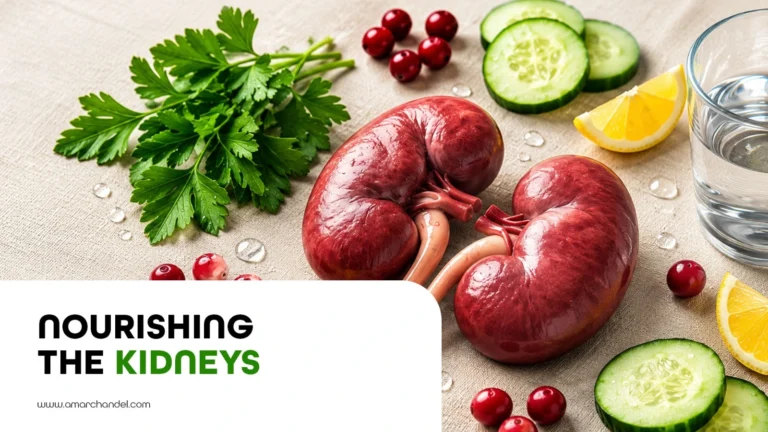
Managing chronic kidney disease through nutrition relies on balancing essential nutrients while minimising the workload on failing kidneys. Damaged kidneys…
